

Scientists grow potatoes in simulated lunar soil
Oregon State University researchers grew the "Modoc" potato in a mix imitating lunar soil with added worm compost. Yields matched Earth soil when 30 percent of the mix was organic matter.
· 3 min read
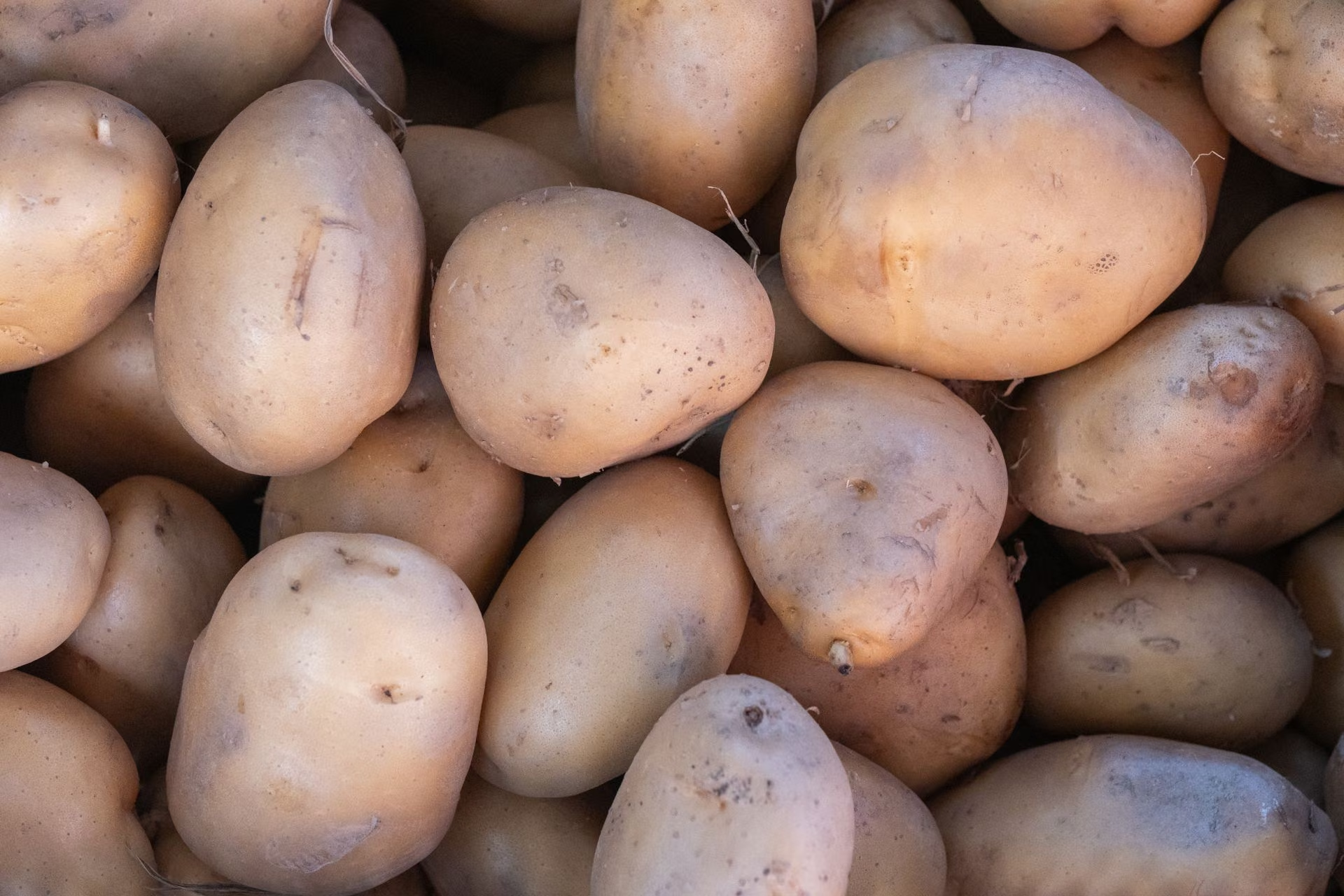
Scientists have managed to grow safe and nutritious potatoes in a medium that imitates the soil on the Moon's surface. The NASA-backed study used "Modoc", an early-maturing potato variety with red skin and white flesh. The results were published in npj Microgravity.
The United States and China plan to send astronauts to the Moon in the coming years and to build long-term bases there. Because carrying all the necessary food from Earth is considered hardly feasible, experts say local food production is critical for feeding crews sustainably.
Worm compost boosted yields
The soil covering the Moon is called "lunar regolith". Formed by meteorite impacts over billions of years, it consists of crushed rock and dust, has a sharp, glass-like structure and, unlike Earth soil, contains no organic matter. Its high levels of heavy metals such as copper also make farming difficult.
The researchers added "vermicompost", a nutrient-rich material produced as worms break down organic waste, to the lunar soil simulant in different proportions. The plants were grown in a greenhouse under sunlight and artificial light.
Without vermicompost, the potatoes formed almost no roots or tubers. Even with a mix of 95 percent regolith and 5 percent vermicompost, the plants developed roots and tubers to some extent. In trials with 30 percent vermicompost, yields reached the same level as potatoes grown in Earth soil from the Hermiston area of Oregon, known for high potato yields.
Lunar regolith contains no nitrogen. That's why no crop can grow without supplementation.
Aymeric Goyer, plant biologist at Oregon State University
Goyer, who led the study, said that without organic matter potatoes absorb excessive amounts of heavy metals, which can become toxic to the plant. Organic matter reduces the uptake of heavy metals and prevents them from accumulating.
Taste not yet tested
Goyer said potatoes provide more calories per unit of land than many crops. According to him, they contain more potassium than bananas, are rich in vitamin C, provide quality protein and have a high satiety index.
Because the harvested potatoes were used in laboratory analyses, the researchers have not yet tasted them. The plants were grown in small pots, so the potatoes were small. Goyer said a second study with larger pots is under way and produced potatoes of the size seen in supermarkets.
Bora Haber previously reported: SpaceX catches Starship returning from orbit in mid-air with tower arms for the first time and NASA Launches Roughly $10 Billion Program for a Permanent Moon Base.
Background
Another study published in March reported that chickpeas were successfully grown in lunar regolith supplemented with vermicompost. Goyer said other teams are working on tomatoes, lettuce and legumes such as alfalfa.
Co-author David Handy, a space biologist at Oregon State University, said the technologies developed could be used for food production in regions with low agricultural output that depend on outside shipments, such as city centers or desert communities.
Science guides
- What is lodos, why does it occur, and what to do during a lodos warning?Lodos is the everyday Turkish name for a strong southwesterly wind. When a warning is issued, guard against roofs, glass, trees and sea hazards, and follow the Turkish State Meteorological Service (MGM).
- Carbon monoxide poisoning: symptoms and preventionCarbon monoxide (CO) is a colorless, odorless gas produced by incomplete combustion in stoves, water heaters and boilers. If you suspect it, get into fresh air at once and call 112.
- What to do in a flood: recommendations for before, during and afterBefore a flood, prepare an emergency kit and evacuation plan; during one, move to high, safe ground and stay out of moving water; afterwards, check electrical and food safety. Follow AFAD and the meteorological service for official warnings.

Comments
Sign in to comment.