

Study Finds Statistical Link Between Birth Month and Certain Diseases
Columbia University researchers reviewed the records of about 1.7 million patients. Of 1,688 diseases, 55 were statistically linked to birth month, though the effect is very small.
· 2 min read
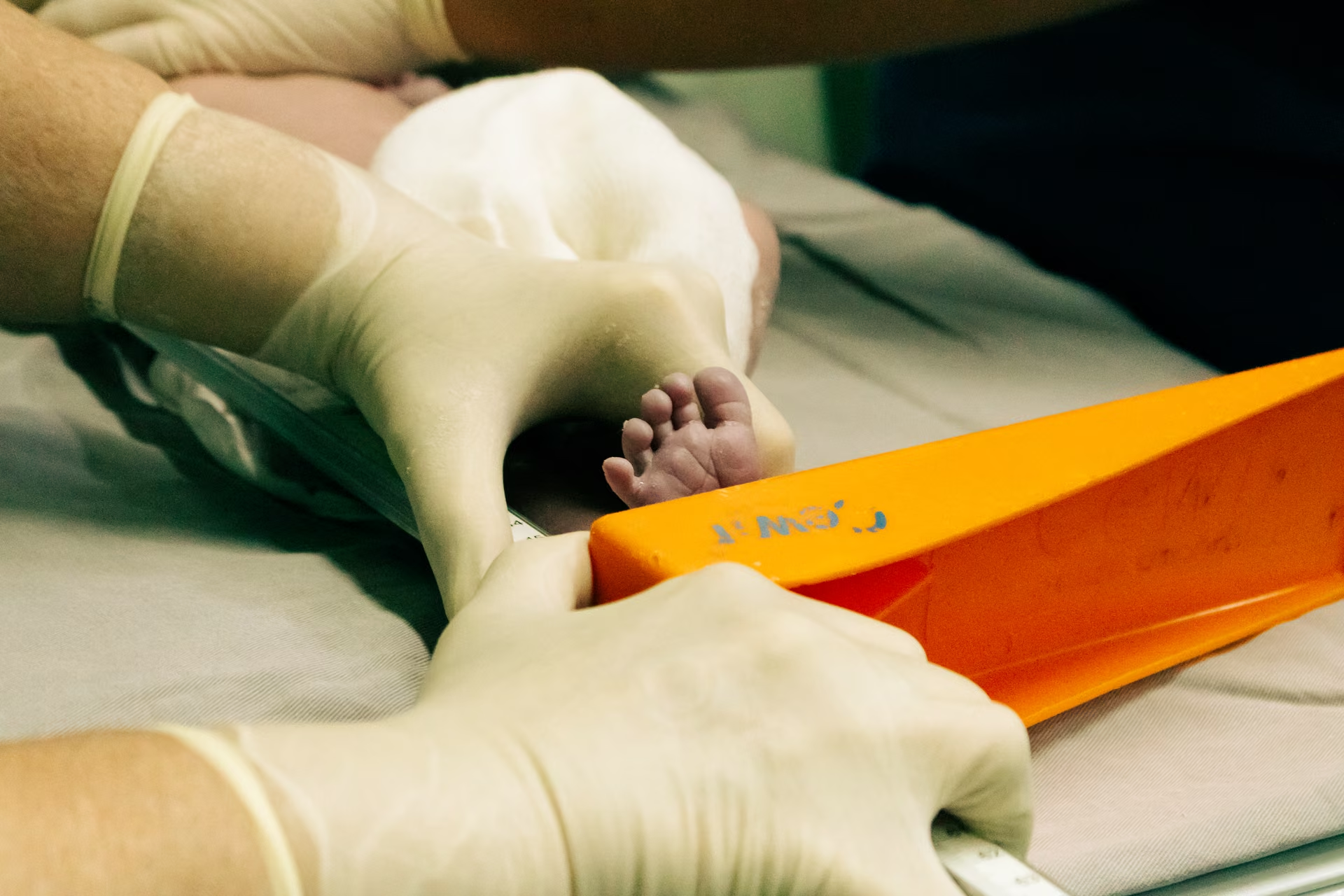
Mary Regina Boland and her team at Columbia University examined the link between birth month and disease in a study published in 2015. The researchers scanned the records of about 1.7 million patients treated in a New York hospital network. Of the 1,688 diseases evaluated, 55 were found to be statistically linked to birth month.
The team stresses that the effect is small and negligible compared with factors such as diet and exercise. What emerged is an association; it does not mean birth month causes disease. Because the data come from a single city, the picture in Türkiye may differ.
Notable findings by month
High blood pressure (essential hypertension) and cardiomyopathy were most common among people born in January. The risk of atrial fibrillation (a type of heart rhythm disorder) and heart failure was highest for March births. By the researchers' calculations, roughly 1 in 40 atrial fibrillation cases in this group may be related to birth season; in the vast majority of cases, other factors are decisive.
May had the lowest overall disease risk, and acute upper respiratory infections were also least common among those born that month. September births looked more favorable for the heart: angina (heart-related chest pain) and cardiomyopathy were recorded least among people born then.
Asthma risk peaked for July and October births. In a similar study in Denmark, the peaks were in May and August; this shift is being explained by the difference in sunlight between the two countries. October births also had a higher risk of acute upper respiratory infections, while atrial fibrillation and high blood pressure were least common among those born that month.
Diagnoses of attention deficit hyperactivity disorder (ADHD) rose toward the end of the year and peaked in November. The effect is very small: the researchers calculated that being born in November in New York may be related to about 1 in 675 cases. A study in Sweden also found a similar November peak.
Records of bruising were lowest among April births and highest among December births.
Bora Haber previously reported: 24-hour fasting triggers a mechanism that supports gut repair after radiation and Abdul El-Sayed elected first Muslim US senator, will take oath on the Quran.
Background
Personality readings based on birth month are widely popular, but they have no scientific basis. This study, built on health data, shows a small but statistical link between birth month and certain diseases.
Science guides
- What is the difference between earthquake magnitude and intensity?Magnitude measures the energy released at an earthquake's source and is a single value. Intensity describes the effects felt at a particular place and varies by location.
- How do solar and lunar eclipses happen?A solar eclipse happens when the Moon passes between Earth and the Sun and covers it partly or fully. A lunar eclipse happens when the Moon moves into Earth's shadow.
- What is the difference between flu and the common cold?Flu starts suddenly and brings high fever, severe fatigue and body aches. A cold is milder, with a runny nose, sneezing and sore throat. Both are viral, but they are caused by different viruses.



Comments
Sign in to comment.