

Thwaites Glacier's Contribution to Sea Level Rise May Be Double What Was Expected
A new computer model suggests West Antarctica's Thwaites Glacier could raise sea level by about 3 centimeters by 2100, roughly twice earlier estimates.
· 2 min read
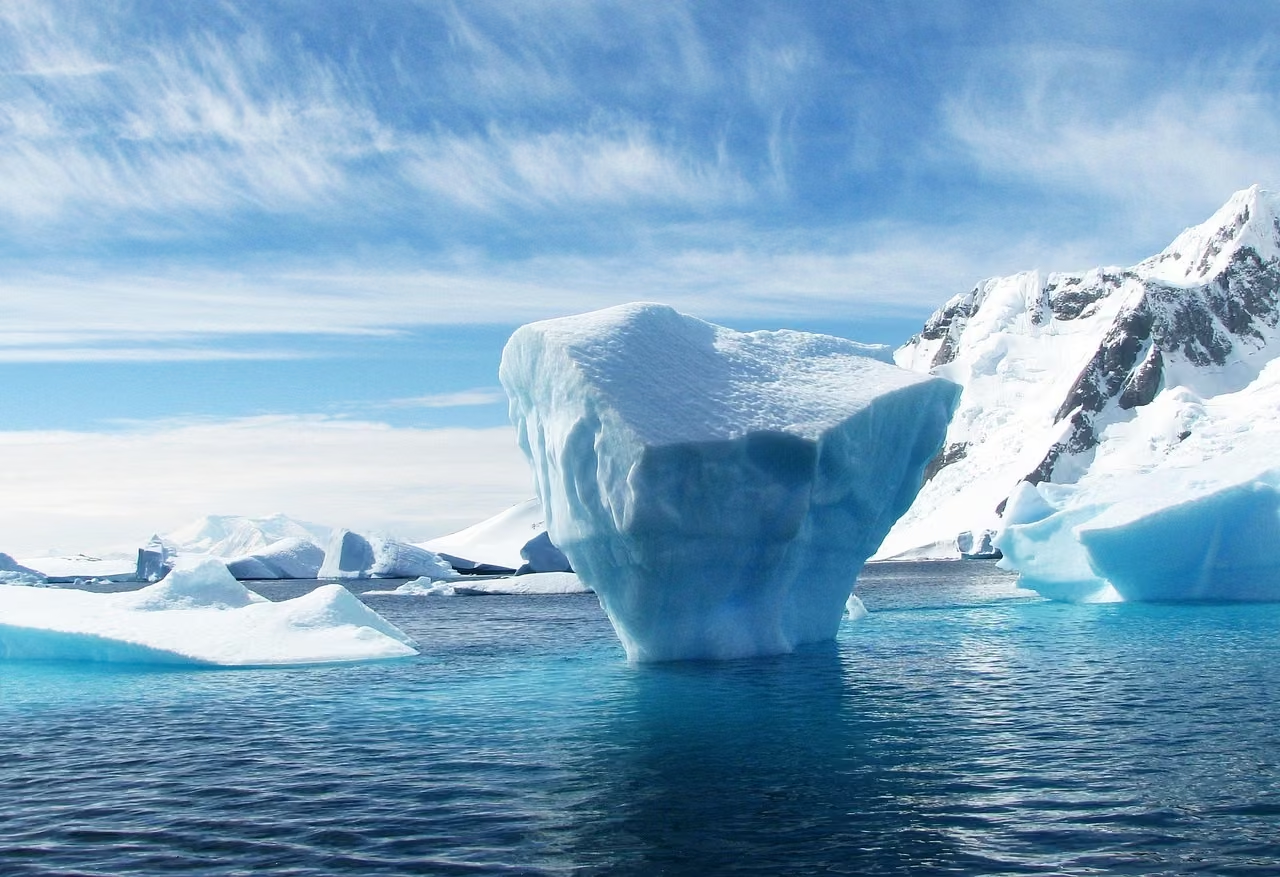
A new study on the melting of Thwaites Glacier in West Antarctica shows its contribution to global sea level rise may have been underestimated until now. According to the research, published in Nature Communications, the glacier could raise global average sea level by about 3 centimeters by 2100, even without any further rise in ocean temperatures. That is roughly twice earlier estimates made under the same conditions.
What did the new model show?
Researchers from the University of California and NASA's Jet Propulsion Laboratory developed a new computer model to examine melting processes beneath the glacier. The study focused on the zone where the glacier lifts off the seafloor and begins to float. This boundary, largely assumed to be fixed in earlier models, was found to be constantly moving.
Satellite data show that seawater rises and falls with the tides and the thick ice moves with it. This movement lets relatively warm ocean water travel kilometers into broad areas under the ice. As a result, the ice melts not only from its outer surface but also from below. Lead author Mattia Poinelli said this moving zone was not adequately represented in earlier models and that the findings are important for understanding the glacier's rapid retreat.
Natural barriers are weakening
Two large rises on the seafloor slow the glacier's movement toward the ocean. But warm water moving under the ice weakens the glacier's grip on these rises. Scientists calculated the probability of the glacier detaching from Mouginot Ridge by 2100 at about 60 percent. If that happens, the glacier is expected to retreat rapidly into deeper areas and lose more ice.
Risk for coastal cities
About the size of the US state of Florida, Thwaites has been retreating for decades and is responsible for about 4 percent of the annual rise in global sea level today. It holds enough ice to raise sea level by about 65 centimeters if it melted entirely. It also restrains the movement of surrounding ice masses, so disturbing this balance could trigger the loss of the wider ice sheet in West Antarctica. According to scientists, such a chain of changes could raise sea level by about 3 meters in the long term; however, this is a long-term risk scenario, not a projection for 2100.
Although a 3-centimeter rise may seem small, it can cause flooding to reach wider areas during storms and high tides. Researchers point out that many coastal cities, from Miami to Manila, could be affected. Professor Eric Rignot, one of the study's authors, said the findings show the risk of coastal flooding in the coming decades may be greater than expected.
Still, questions remain about the glacier's future. Experts stress the need to directly measure how seawater moves beneath the glacier and under what conditions it speeds up melting. To that end, scientists plan to travel to the region in 2028 and take new measurements beneath the glacier.
Comments
Sign in to comment.