

What is a cold wallet and how can crypto assets be kept safe?
A cold wallet keeps the private key that unlocks crypto assets away from the internet. The topic is back on the agenda after the attack on Binance.
· 3 min read
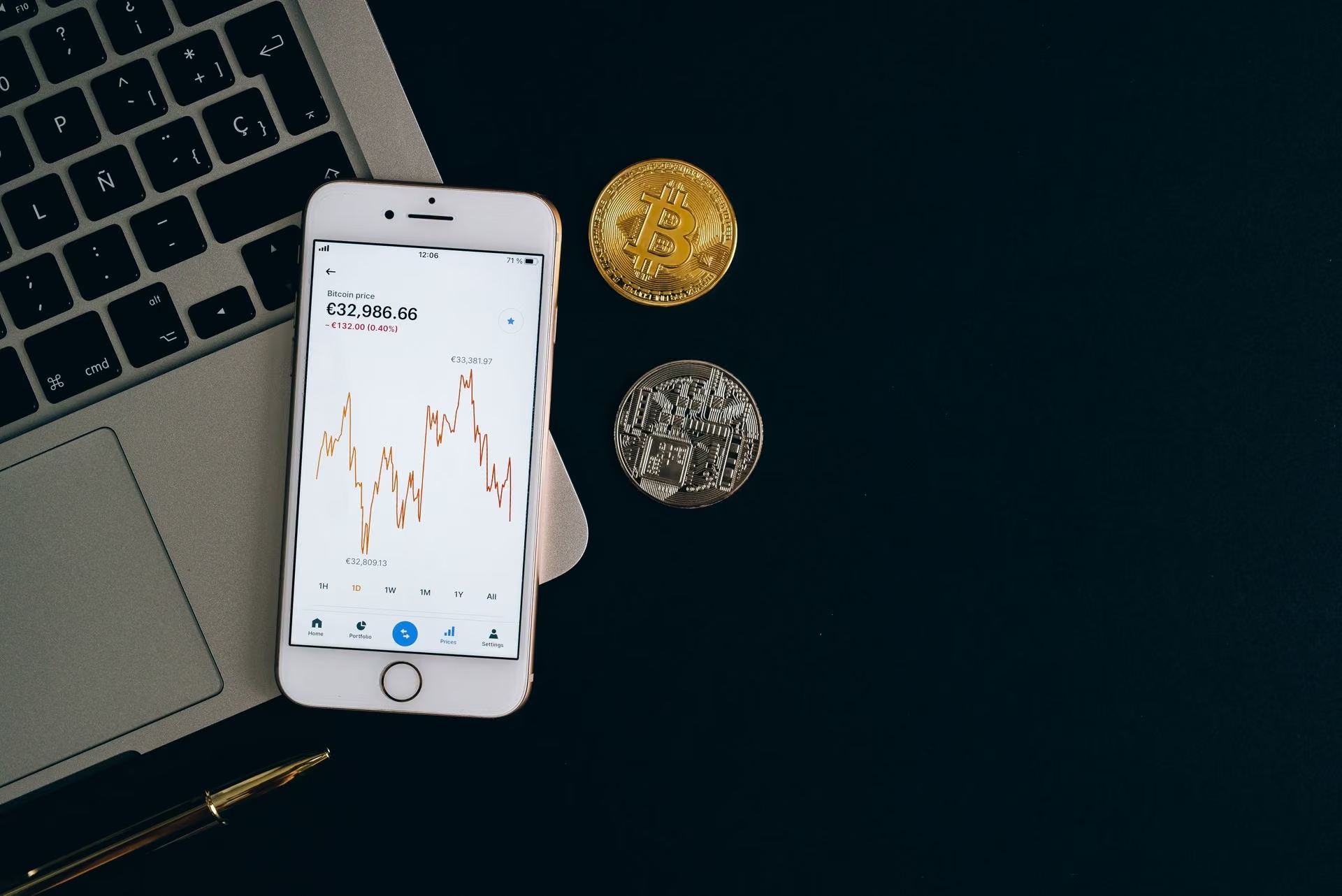
A cold wallet is a type of wallet in which the private key that gives access to crypto assets is stored in an environment not connected to the internet. Because the key stays offline, it is much harder to seize remotely, so the method is considered the safest option for assets to be held long term. The subject has resurfaced after billions of dollars in crypto were withdrawn from Binance's hot wallets on the night of 29 October. Binance announced that the incident affected about 6.3 billion dollars in assets and that it would cover the losses; withdrawals were halted for a time.
What does a wallet do?
Crypto assets are not inside the wallet; they are recorded on the blockchain. The wallet's job is to safeguard the private key that allows those assets to be spent or sent. Whoever holds the key controls the assets at the related address. The definition added to the Capital Markets Law by Law No. 7518 likewise describes a wallet as a tool that allows crypto assets, or their private and public keys, to be stored online or offline.
Hot versus cold wallets
Wallets that keep the key on an internet-connected device or service are called hot wallets. Phone apps, browser extensions and desktop programs fall into this group, as do the wallets exchanges set aside for daily withdrawals. Trading, transfers and connecting to apps take seconds, which makes them practical. On the other hand, being online makes them attackers' first target. Malware, fake apps and phishing pages mostly go after these wallets; even the App Store has seen fake apps that drained users' wallets.
In a cold wallet, the private key never goes online at any stage. The most common form is the hardware wallet, about the size of a USB stick. These devices generate and store the key in their own secure chip. The transaction is prepared on a computer or phone, but approval and signing take place inside the device, so the key does not leave it even if the computer is infected with malware. Most hardware wallets show the recipient address and amount on their own screen and ask for confirmation with the device's buttons. This step adds a check against malware changing the address on screen. Access to the device is also protected by a PIN.
Hardware devices are not the only kind of cold wallet. Wallets created on a computer that never connects to the internet and paper wallets, where the key is printed on paper, are also in this group. However, paper wallets are not widely recommended today because of their difficulty of use and risk of error.
Exchange or your own wallet?
Many users combine both methods: a small amount for daily transactions stays in a hot wallet or on an exchange, and the rest is kept in a cold wallet. Exchanges likewise hold most customer assets in cold wallets.
The private key of crypto held on an exchange belongs to the exchange, not the user. Access to the assets therefore depends on the exchange's operations, security and decisions. As in Binance's case, when an attack or technical problem occurs, an exchange can halt withdrawals and the assets cannot be moved elsewhere in the meantime. Similar attacks had previously hit exchanges such as BtcTurk and Bybit. A user who holds the key in their own wallet cannot have the account frozen or a withdrawal delayed by anyone, but all responsibility passes to that user. If the recovery words are lost or handed to someone else, there is no customer service to bring the assets back.
Background and recommendations
In Türkiye, crypto asset platforms came under the supervision of the Capital Markets Board (SPK) with Law No. 7518. For those using an exchange, the first step is to check whether the platform appears on the lists published by the SPK. Computer security also matters: attacks targeting Mac users with crypto theft have shown how easily hot wallets and browser extensions can become targets.
For people who trade often with small sums, a cold wallet may be impractical because it adds a step to every transaction. For an amount that will be held long term and cannot be risked, moving the assets to a cold wallet under one's own control is the best-known way to reduce risk. Whichever method is chosen, it should be remembered that crypto values can change very quickly and that the risk of loss is always present.
Science guides
- How to give first aid for heatstrokeHeatstroke is an emergency. Call your local emergency number first, move the person somewhere cool and shaded, loosen clothing, and cool the body quickly with water, wet cloths or ice.
- How do the northern lights (aurora) form, and where can you see them?The northern lights are a glow produced when charged particles from the Sun travel along Earth's magnetic field to the poles and collide with gases in the upper atmosphere. They are best seen at high latitudes on dark, clear nights.
- What is e-Nabız and how do you view lab results?e-Nabız is the Ministry of Health's personal health record system in Türkiye. Log in with e-Devlet or another supported method and open “Tetkik Sonuçlarım” (test results) to see your lab results.


Comments
Sign in to comment.