

Anti-government protests in Albania enter seventh day with clashes in Tirana
Protests against poor university conditions and corruption continue in Albania. Demonstrators and police clashed in Tirana; the Interior Ministry says about 300 people have been injured.
· · 2 min read
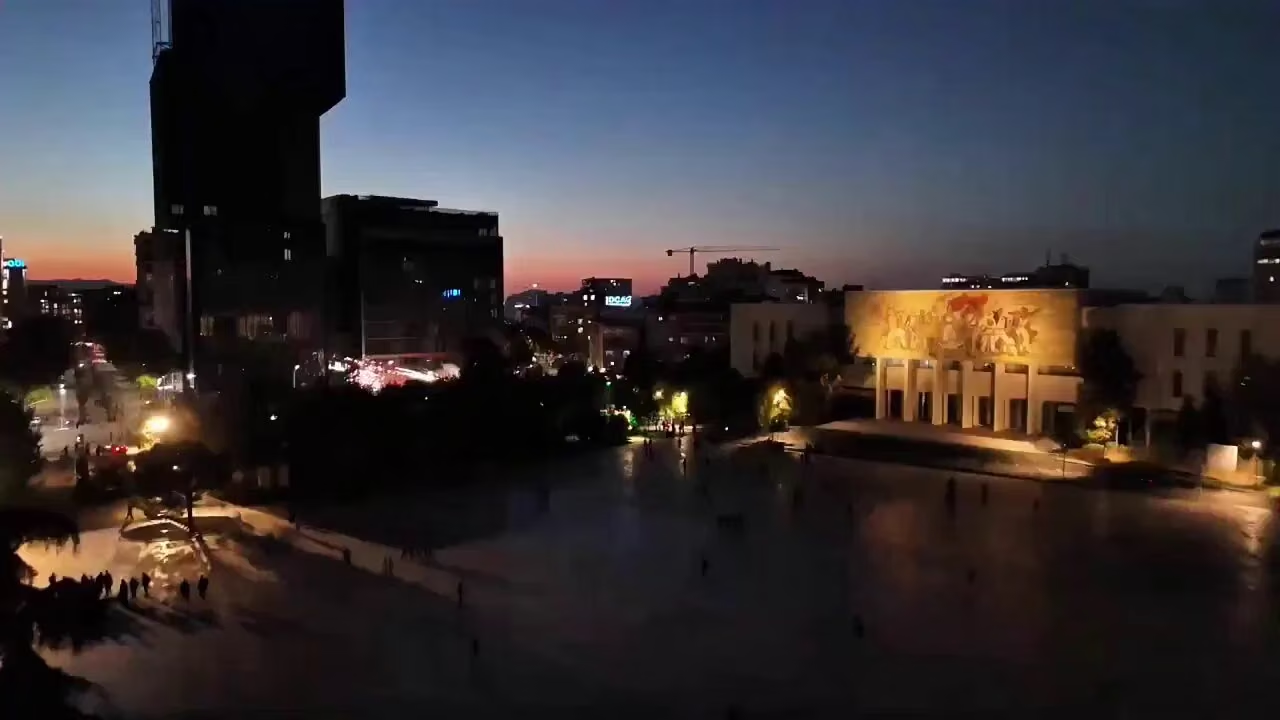
Anti-government protests continued for a seventh consecutive day in Tirana, the capital of Albania. Clashes took place between police and demonstrators demanding better conditions at universities, an end to corruption and the resignation of Prime Minister Edi Rama.
Clashes and injuries
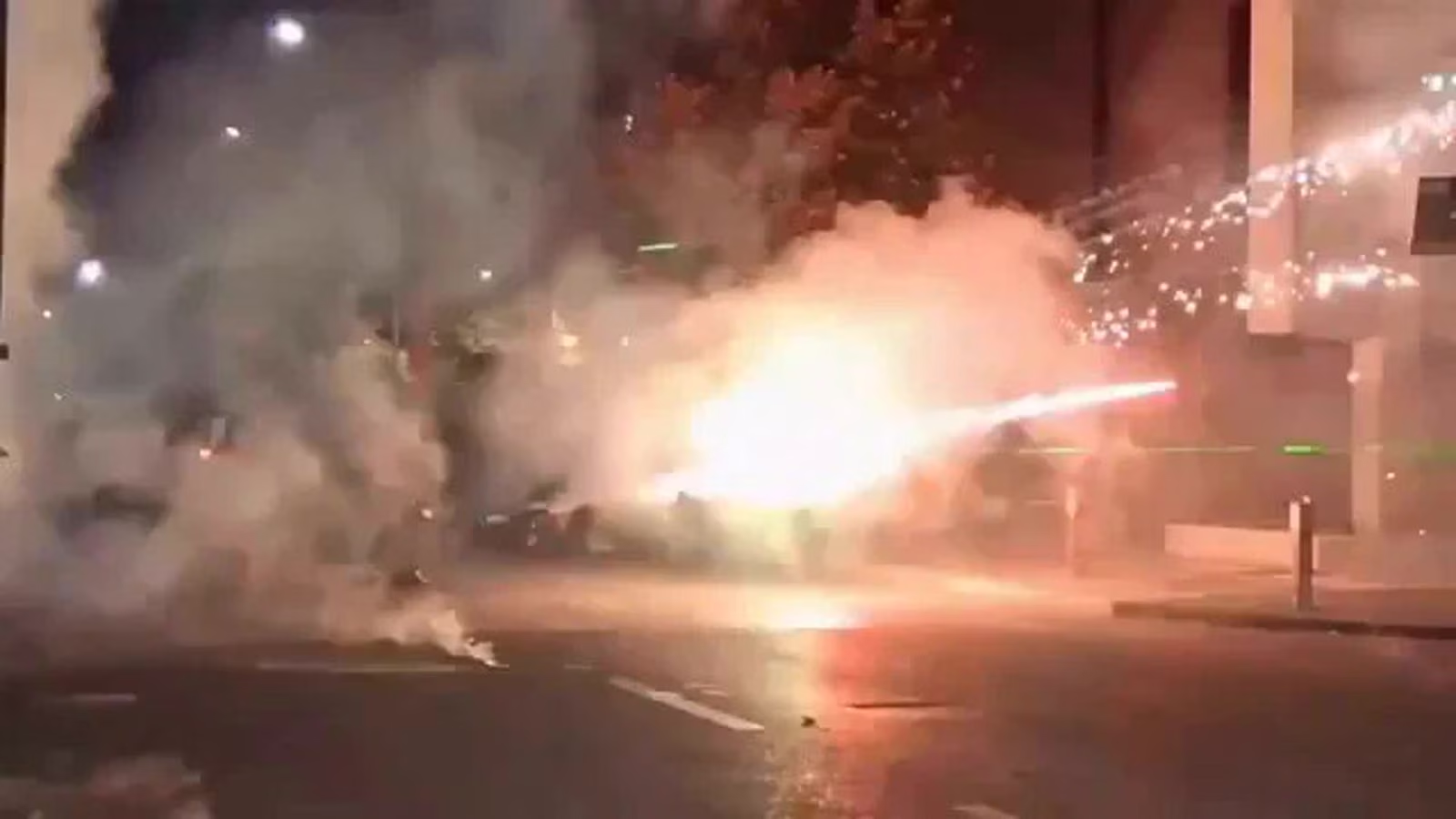
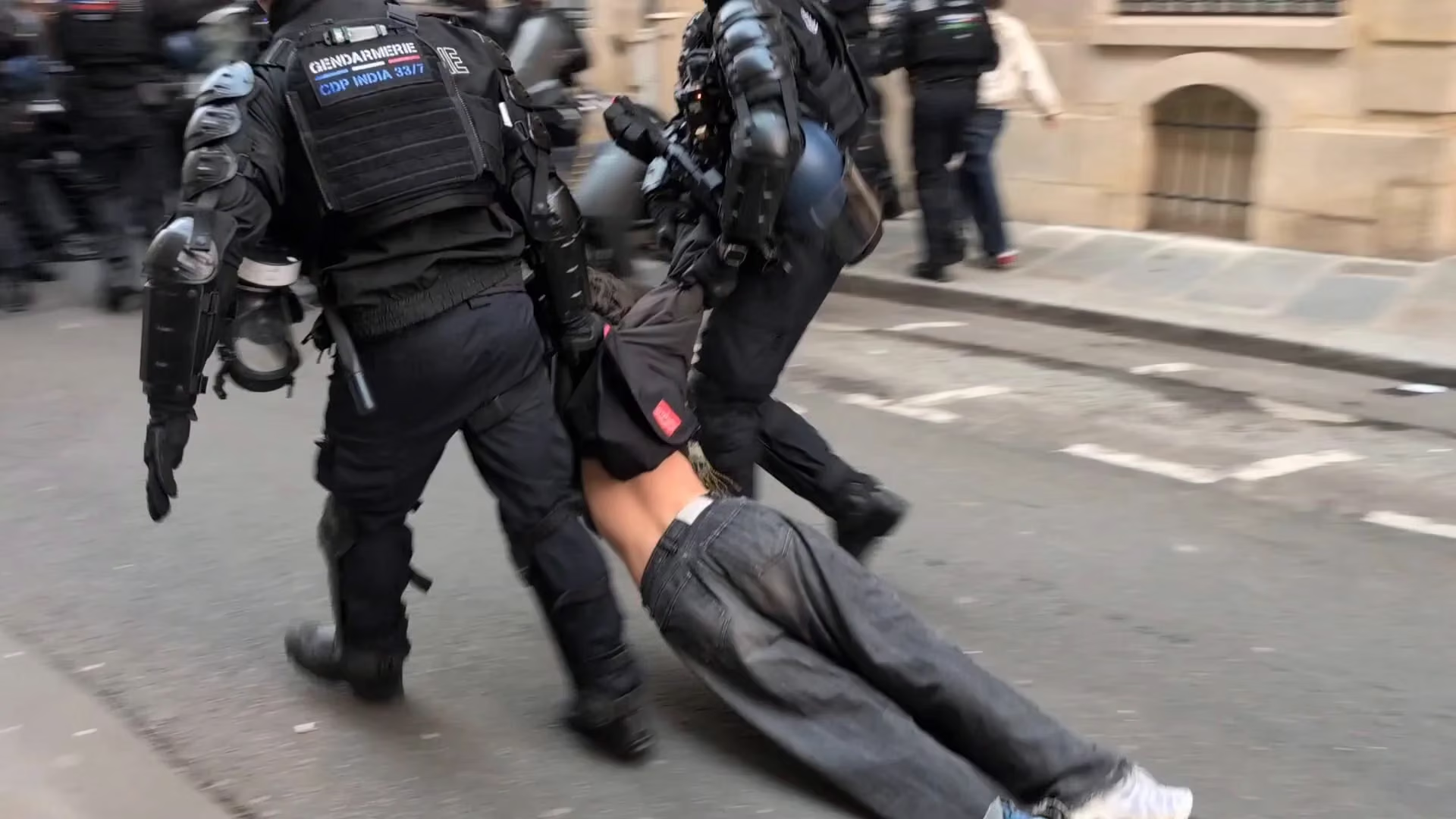
On Monday morning, demonstrators gathered outside the Education Ministry and repeated their demand for Rama and his cabinet to resign. Later, clashes broke out near the Court of Appeal, where protesters threw stones and pyrotechnics and windows were shattered. Riot police used tear gas and water cannon to disperse crowds near Rinia Park. Demonstrators threw stones, pyrotechnics and Molotov cocktails at officers stationed near the Interior Ministry.
Authorities confirmed that five people were detained and that 15 more suspects were being sought. According to Interior Ministry figures, about 300 people have been injured since the protests began; roughly two-thirds of the injured are police officers.
Rama's call for dialogue
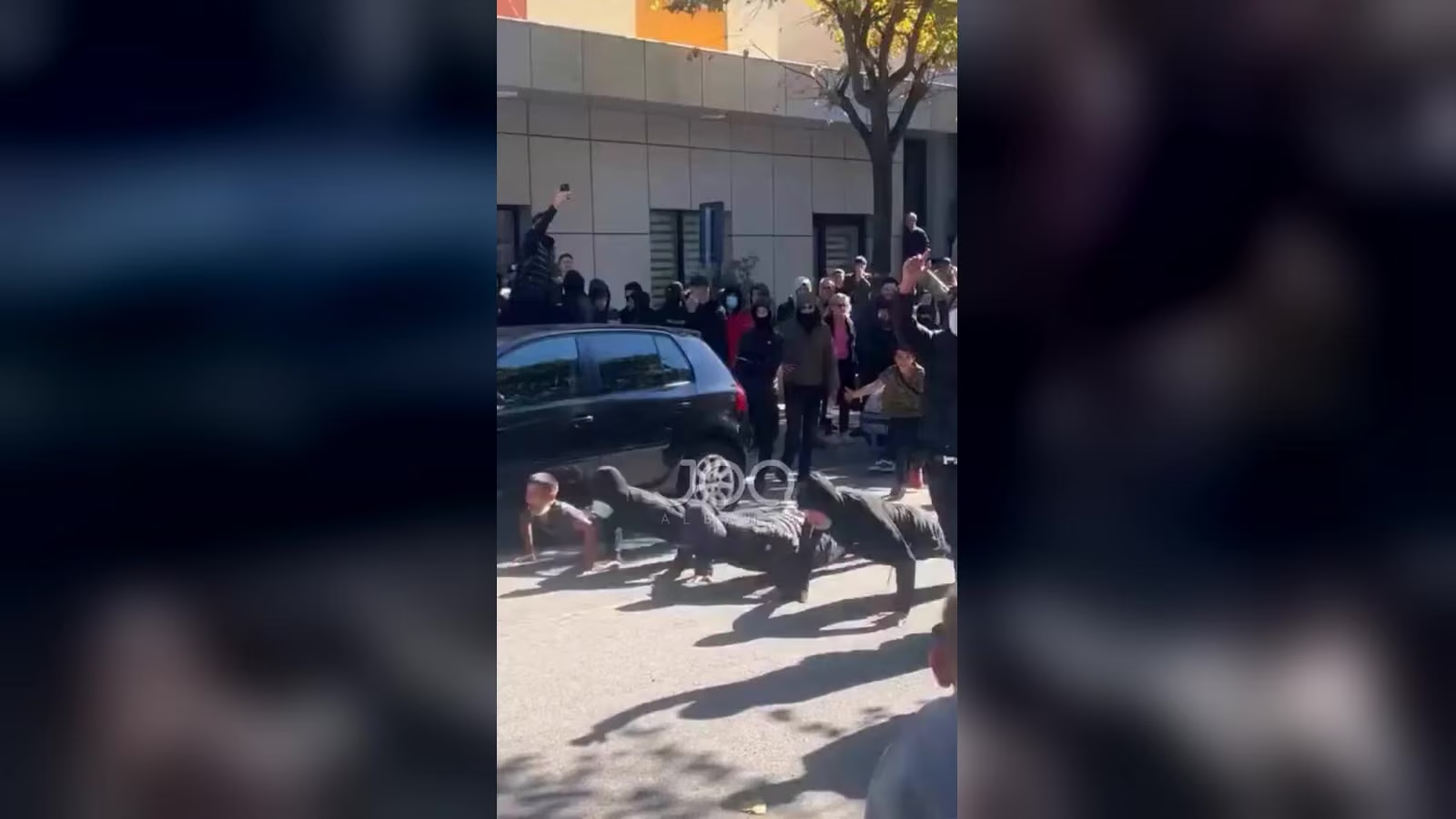
Rama said the government was ready to meet protesters "anytime, anywhere, without conditions." Urging organisers to distance themselves from violence, stone-throwing and arson, he also warned against involving minors in street violence. Rejecting calls for his resignation outright, Rama said he would not negotiate with anyone engaging in violence, adding: "Peaceful protest is a right, while violence is a crime."
The government's offer followed a joint appeal from civil society and media organisations urging an end to violence, restraint from political leaders and full respect for the right to peaceful assembly. The organisations called on authorities to facilitate legitimate rallies and ensure any police use of force remains lawful, necessary and proportionate.
Protests in other cities
Student demonstrations also continued in Lezhe, Vlore, Elbasan and Shkoder, where university students boycotted lectures and marched through main streets. The unrest began on October 13 with student grievances over tuition fees, deteriorating university conditions and a lack of job opportunities, then widened into nationwide protests against corruption and rising living costs.
For context, anti-government demonstrations have been going on in Albania for months; they initially began as a reaction to a controversial tourism complex project reportedly linked to the family of US President Donald Trump.
Comments
Sign in to comment.