

ASELSAN's EJDERHA System Neutralizes 51 Simultaneously Launched Drones Within Seconds
On ASELSAN's 51st anniversary, the EJDERHA High Power Electromagnetic Countermeasure System neutralized 51 wired and wireless drones without using missiles or munitions.
· 2 min read
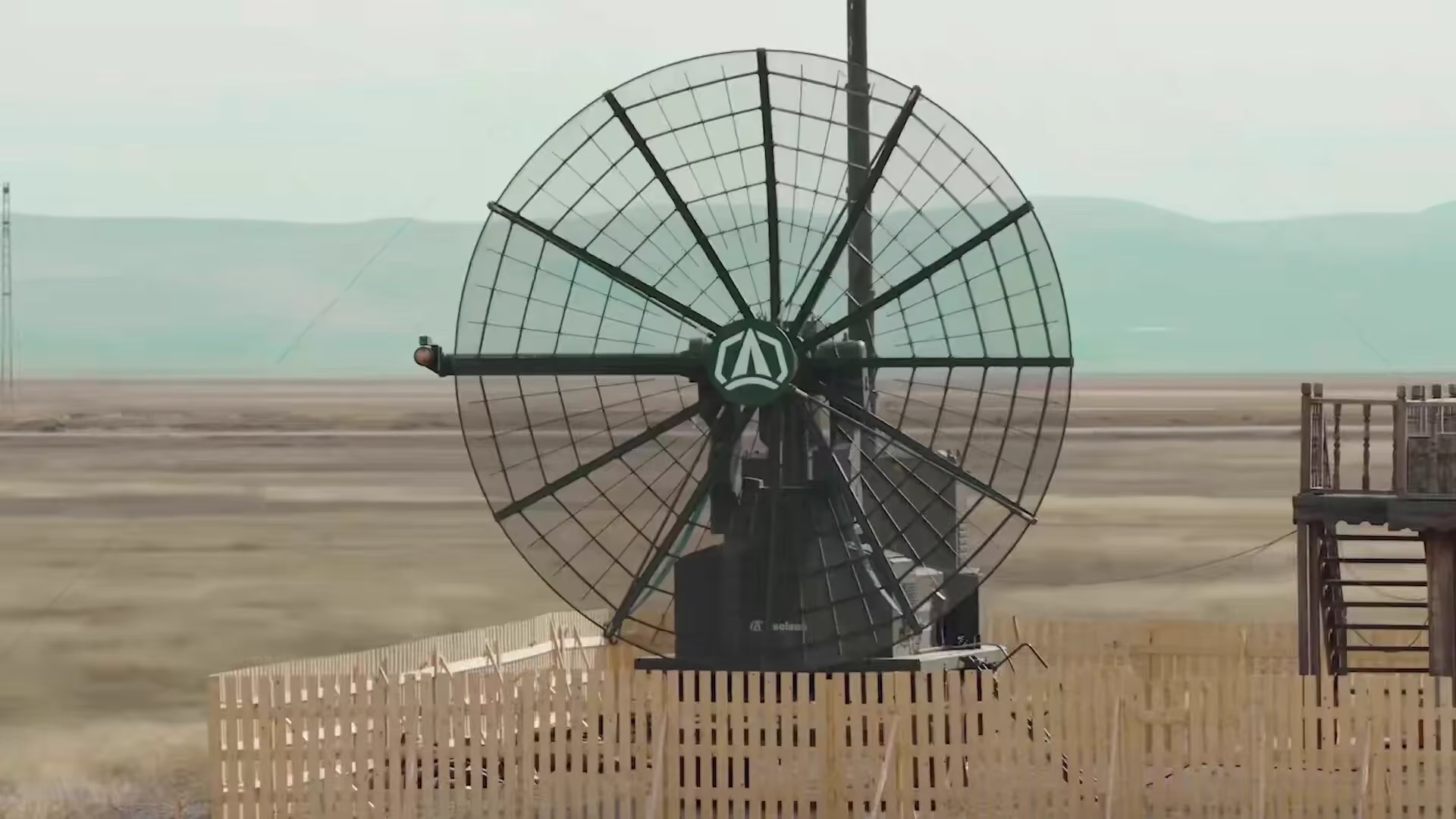
On its 51st anniversary, ASELSAN neutralized 51 simultaneously launched drones within seconds using the EJDERHA High Power Electromagnetic Countermeasure System (YGEM). The test was carried out without missiles or munitions. The neutralized drones included both wired and wireless ones.
Phases of the test
In the first phase of the test, EJDERHA neutralized two different wired drones at a distance of about 1,000 meters. While conventional unmanned aerial vehicle countermeasure systems cannot affect wired drones, EJDERHA showed it can provide protection regardless of threat type.
In the second phase, a drone swarm scenario was applied. To represent ASELSAN's 51st year, 51 drones were launched at the same time. Under the multi-threat scenario, EJDERHA neutralized all the drones that took off simultaneously and within seconds.
ASELSAN General Manager Ahmet Akyol said EJDERHA is "the world's first system to bring down 51 drones with one button, without firing a missile or using munitions."
As a result of these efforts, EJDERHA is now a technology that has reached the field, entered serial production and reached a level that will contribute to our country's security.
Ahmet Akyol, ASELSAN General Manager
How does EJDERHA work?
EJDERHA was developed within ÇELİKKUBBE to detect and neutralize mini and micro class unmanned aerial vehicle threats. The system generates high-power electromagnetic waves using vacuum electronics technology. It can perform active radar detection, target tracking with an electro-optical system, and precise pointing.
Able to produce suppression, restart, neutralization or damage effects on threats containing electronic circuits, the system disables the navigation, communication and command-control systems of unmanned aerial vehicles classified as threats in the tactical field from a safe distance. EJDERHA has so far demonstrated detection, tracking, pointing and neutralization capabilities in the field many times against mini and micro unmanned aerial vehicles, fixed-wing low-altitude vehicles, wired and wireless FPV drones, and internal combustion engines.
Bora Haber previously reported: ASELSAN to generate its own electricity with two new solar power plants and ASELSAN's MERCAN 100 for Submarines Combines Three Cameras in a Single Structure.
Background
EJDERHA was first introduced at the IDEF 2025 fair. The system was tested in four different scenarios during a demonstration at ASELSAN's Gölbek Technology Base. In the first scenario it neutralized three wired FPV drones at once, and in the next it stopped wired and wireless drones approaching from different angles.
Technology guides
- How to get and renew your e-Devlet passwordYou get an e-Devlet password in person at a PTT branch with an ID document. If you forgot it, reset it with “Forgot my password” on e-Devlet Kapısı (Turkey's e-Government Gateway) or get a new one from PTT.
- How to view grades and absences on e-OkulSign in to the e-Okul Parent Information System with e-Devlet or a parent password, select the student, and open the grades or absences menu. Students can also check their own records.
- How to get a student certificate from e-DevletLog in to e-Devlet Kapısı (the Turkish e-Government Gateway), search for “öğrenci belgesi” (student certificate) and open the relevant service. The document is generated electronically; check the receiving institution's acceptance rules.


Comments
Sign in to comment.