

Experts stress electricity trade and carbon pricing: costs could fall
Karl Steininger of the University of Graz said global grids could cut electricity costs, while Simone Borghesi of the University of Siena said carbon revenues alone will not be enough.
· 2 min read
Two academics speaking at a meeting highlighted the role of electricity trade and carbon pricing in reaching climate goals. Karl W. Steininger, Director of the Wegener Center for Climate and Global Change at Austria's University of Graz, pointed to the importance of the "35 by 35 Global Electrification Goal" announced by the COP31 Presidency. According to Steininger, for the goal to benefit the climate, electricity must be generated from renewable sources.
Electricity trade between countries
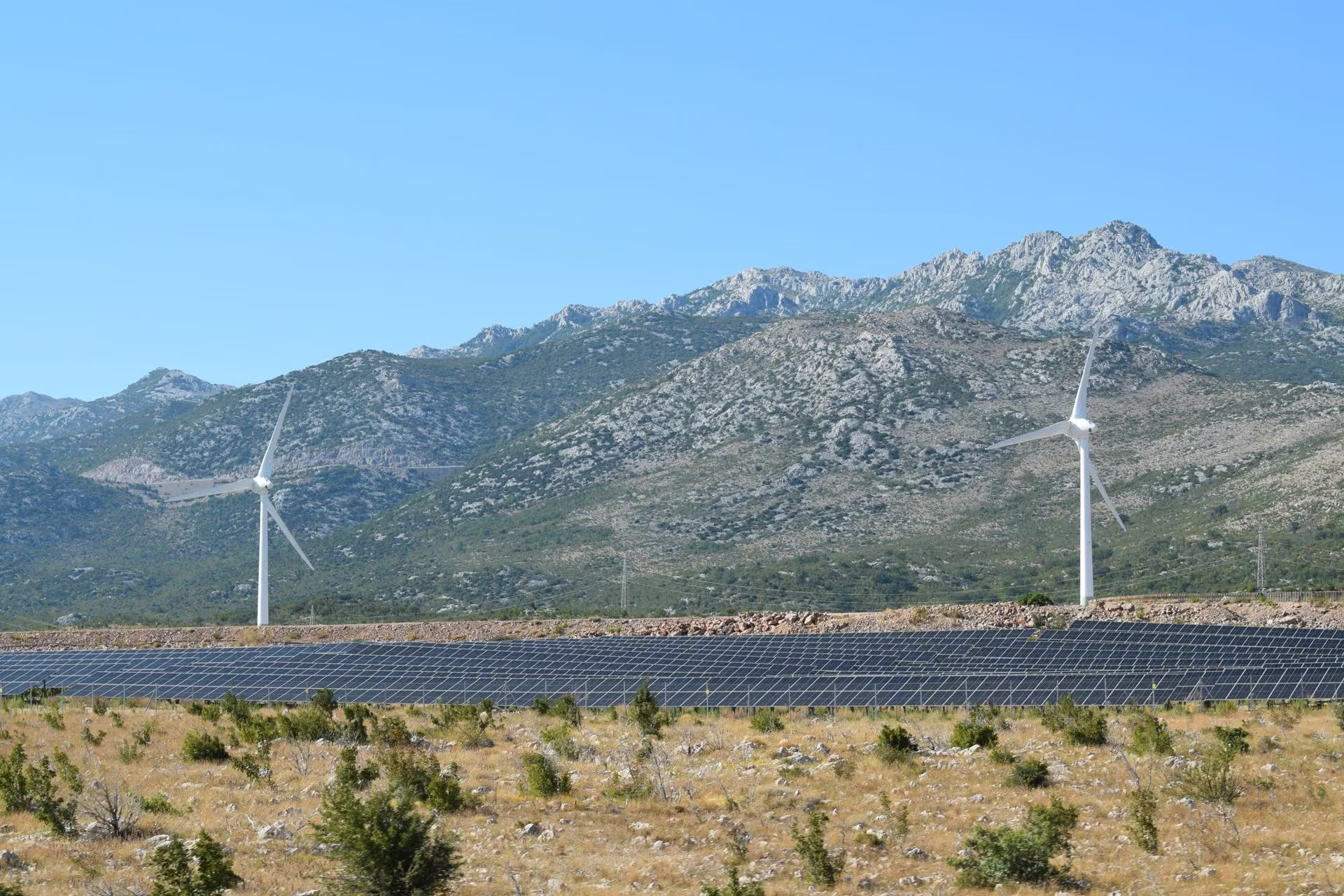
Steininger said solar and wind hold great potential for low-cost electricity generation, but that these sources vary over the day and across seasons. He therefore said electricity trade between countries should be developed, adding that countries in the Northern and Southern Hemispheres could trade electricity by exploiting seasonal differences.
Our research shows that if we move to global electricity grids, electricity costs in most regions of the world could fall by about 50 dollars per megawatt-hour by 2034. In many regions around the equator, this saving can reach 70 dollars per megawatt-hour.
Karl W. Steininger
Steininger also noted that countries with high solar potential, such as Egypt and Sudan, could in some cases earn two to four times their current fossil fuel export revenues from renewable electricity trade. He added that part of the economic gains of developed countries from this trade could be directed to financing electricity transmission infrastructure in developing countries.
Carbon pricing and cities
Simone Borghesi, a faculty member at Italy's University of Siena and Director of the Climate Unit at the Florence School of Regulation, said carbon pricing could play an important role in financing cities' climate adaptation work. Borghesi said auctions of emission allowances under the European Union Emissions Trading System have raised over 288 billion euros since 2013. He added that the EU Social Climate Fund is expected to provide up to 86.7 billion euros in 2026-2032, including national co-financing.
Explaining that these funds are not made directly available to cities and that local governments reach financing through national and EU-level mechanisms, Borghesi stressed that the technical and administrative capacity of local governments must be strengthened for financing to turn into investment. He added that the social benefits of climate adaptation investments do not always translate into direct financial returns, which is why public support matters.
Although carbon pricing is an important tool, carbon revenues alone cannot cover the financing of urban transformation. We therefore need complementary financing mechanisms that bring together public budgets, climate funds and private sector capital.
Simone Borghesi
Bora Haber previously reported: Lagarde: Climate Change Is Costing Europe More, COP31 a Historic Opportunity and Şimşek: Green transition is not a choice but a necessity for Türkiye.
Guides on this topic
- What is climate change, and what are its causes and effects?Climate change is a lasting shift in Earth's long-term temperature and precipitation patterns. Today its main driver is greenhouse gas emissions from fossil fuels; effects include heatwaves, drought and sea level rise.
- What is a COP climate summit, and why does COP31 matter?COP is the annual decision-making body of the countries party to the UN Framework Convention on Climate Change. COP31 is held in 2026 in Antalya, Türkiye, with Australia presiding over the negotiations.
Economy guides
- Civil servant pay raise: collective agreement rates, inflation difference and the January 2027 calculationThe collective agreement raise for January 2027 is 5 percent. The July–September 3-month inflation was 5.57 percent; no inflation difference has formed for civil servants yet. It arises if 6-month CPI exceeds 7 percent.
- Pension raise: January 2027 calculation for SSK and Bağ-Kur retirees based on six-month inflationThe January 2027 raise for SSK and Bağ-Kur retirees will follow the July-December six-month CPI; the first three months total 5.57 percent. Expectations put the six-month rate between 10.08 and 10.13 percent; the final rate depends on the December data.
- Rent increase rate: 12-month average CPI and the legal capThe legal cap on rent increases for November 2026 renewals is 31.23 percent, based on the twelve-month average change in CPI from the October data TÜİK released on 3 November 2026.


Comments
Sign in to comment.