

IG Metall Strongly Opposes Volkswagen's "Zero Raise" Plan
IG Metall says Volkswagen's directive of no pay rises until 2030 could cost employees at least 10 percent in purchasing power, and it has vowed to resist the plan.
· · 2 min read

Germany's metal workers' union IG Metall said a new Volkswagen management directive, reported to have taken effect in early October, leaves employees facing a "zero raise" policy lasting until 2030. According to the union, this could cause a purchasing power loss of at least 10 percent for workers.
Calling the management's move "unrealistic", the union said it would resist the plan strongly. IG Metall argued that structural problems in the automotive and metal sectors cannot be solved with wage cuts, and that personnel costs make up a rather small share of total sales costs.
5 percent pay demand
IG Metall is demanding a 5 percent pay rise for about 3.7 million workers in the country's metal and electrical industry as well as for Volkswagen employees. Union officials said Volkswagen management has not yet formally presented its demands, and that the "zero raise" plan shows how difficult the coming negotiations will be.
Group structure and restructuring
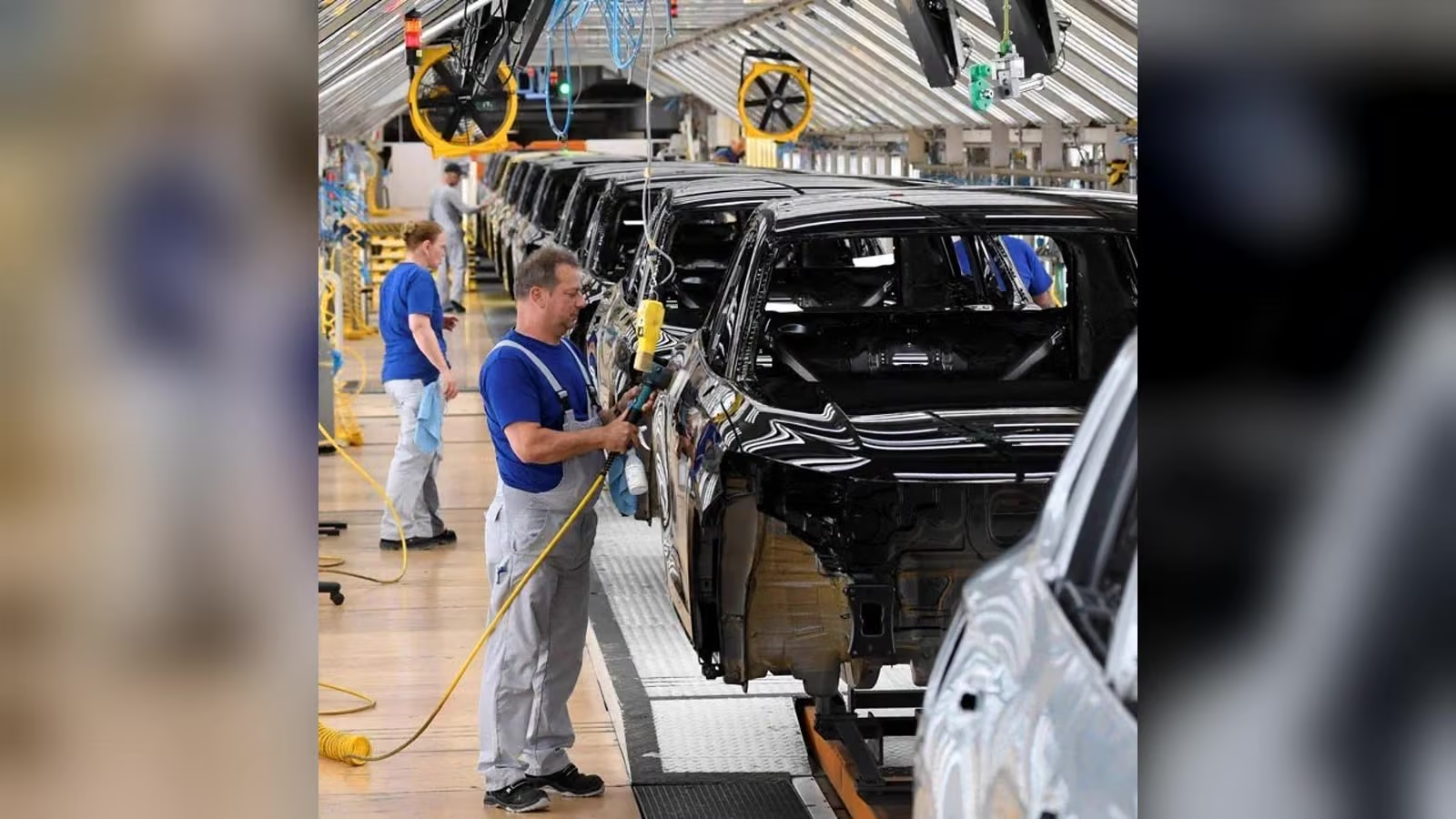
Volkswagen Group employs more than 660 thousand people worldwide. It has about 275 thousand employees in Germany, of whom 130 thousand are covered directly by the company's own collective agreement.
New collective bargaining talks are expected to begin at the end of November as the group goes through the largest restructuring in its history. The talks will affect general agreements for the metal and electrical engineering sector, which also covers group subsidiaries such as Audi, MAN and Porsche.
Volkswagen management, which terminated the existing collective agreements about a month ago, aims to cut 50 thousand more jobs worldwide in the coming years, on top of existing reduction plans. Details of the programs are still being negotiated with worker representatives, while the future of the Emden, Hannover and Zwickau plants and Audi's Neckarsulm site beyond 2031-2034 remains uncertain.

Comments
Sign in to comment.