

Nearly seven-hour spacewalk at ISS: final solar array installed
NASA's Anil Menon and CSA's Joshua Kutryk installed the eighth and final roll-out solar array of the ISS during a 6-hour, 59-minute spacewalk.
· 2 min read
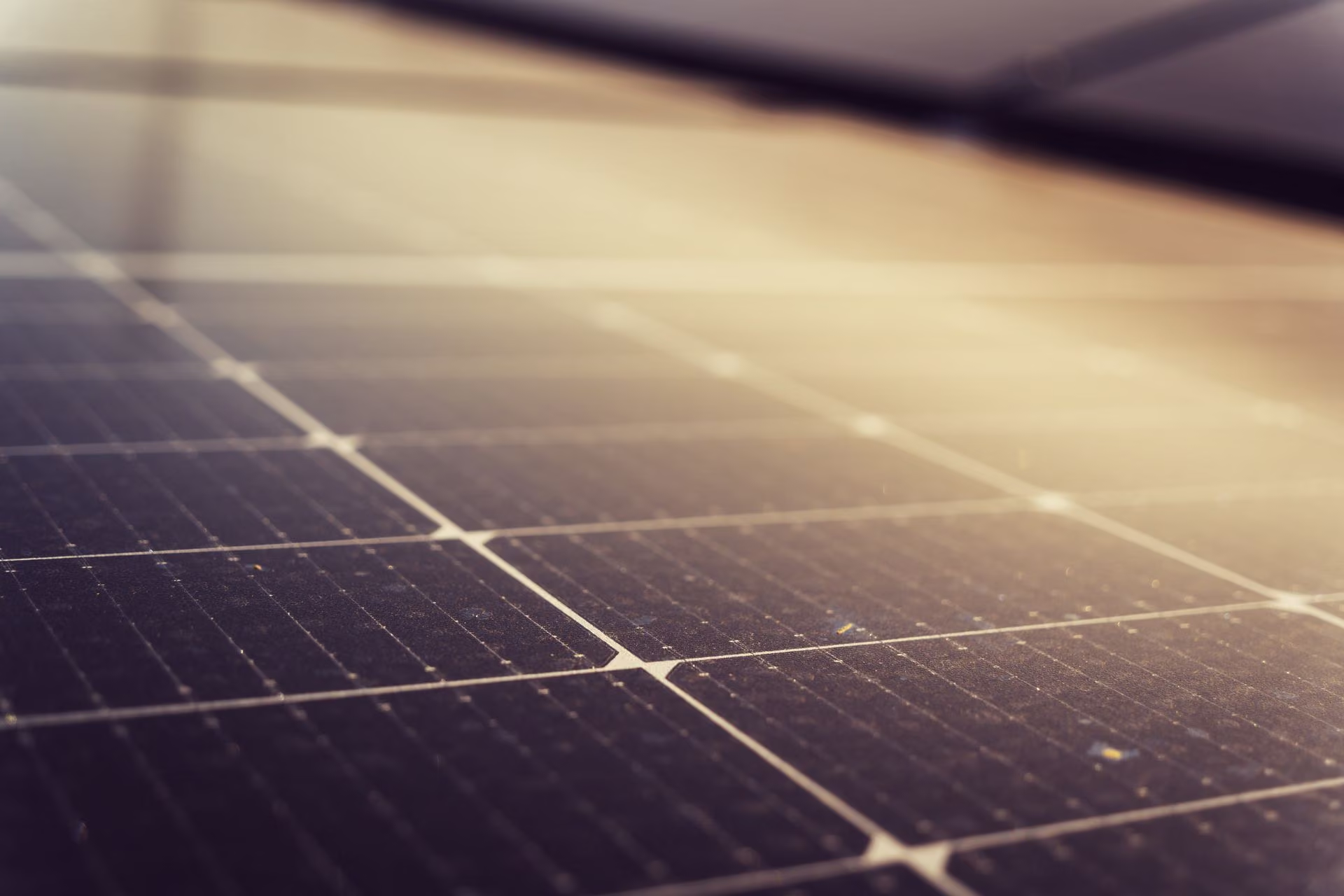
NASA astronaut Anil Menon and Canadian Space Agency (CSA) astronaut Joshua Kutryk, serving aboard the International Space Station (ISS), carried out a spacewalk lasting 6 hours and 59 minutes. The pair installed the last piece of the station's roll-out solar array.
The astronauts mounted the eighth and final panel of the roll-out solar array system (IROSA) on the station's 3B power channel and brought it online. This completed the work aimed at increasing the station's electricity generation. The spacewalk was streamed live on NASA and ISS accounts.
Five years of work completed
The effort to boost power capacity began in February 2021. Since then, astronauts have made a total of 18 spacewalks to prepare power channel equipment and install eight solar arrays. Thanks to the new panels, the station's power generation capacity rose from 160 kilowatts to about 215 kilowatts.
The mission went into the records as the 101st US spacewalk. It was Menon's fifth and Kutryk's second. It was also the 286th spacewalk conducted for the assembly, maintenance and upgrade of the station.
Bora Haber previously reported: NASA Speeds Up Artemis Program, Prepares to Build a Moon Base and NASA's Swift Observatory Reenters Atmosphere Near Sumatra.
Background
Canadian astronaut Joshua Kutryk, born in 1982, is a fighter pilot colonel and engineer by background. He was sent to the ISS on 1 October with NASA's SpaceX Crew-13 team.
Anil Menon, born in 1976 to a Ukrainian and Indian immigrant couple, was launched into orbit on 14 July 2026 aboard Roscosmos' Soyuz MS-29. A colonel in the US military, Menon also serves as a flight surgeon at NASA.
Science guides
- What is the winter solstice, and when is the longest night of the year?The winter solstice is the moment the Sun reaches its southernmost position in the sky for the Northern Hemisphere. It usually falls on 21 December (22 December in some years), bringing the shortest day and longest night.
- How do lunar and solar eclipses happen, and how can you watch them safely?In a solar eclipse the Moon passes between Earth and the Sun; in a lunar eclipse Earth passes between the Sun and the Moon. Never watch a solar eclipse with bare eyes or sunglasses; use certified eclipse glasses.
- Who can donate blood, how often, and how is it done?To donate blood you need to be in good general health and meet the Turkish Red Crescent's (Türk Kızılay) age, weight and health criteria. Eligibility is decided at a pre-donation screening at the donation centre.
Comments
Sign in to comment.