

New brain cancer treatment combines ultrasound waves and nanotechnology
Researchers at the University of Virginia in the US developed a method that uses ultrasonic waves and nanocarriers to cross the blood-brain barrier and target tumor-driving genes.
· 1 min read
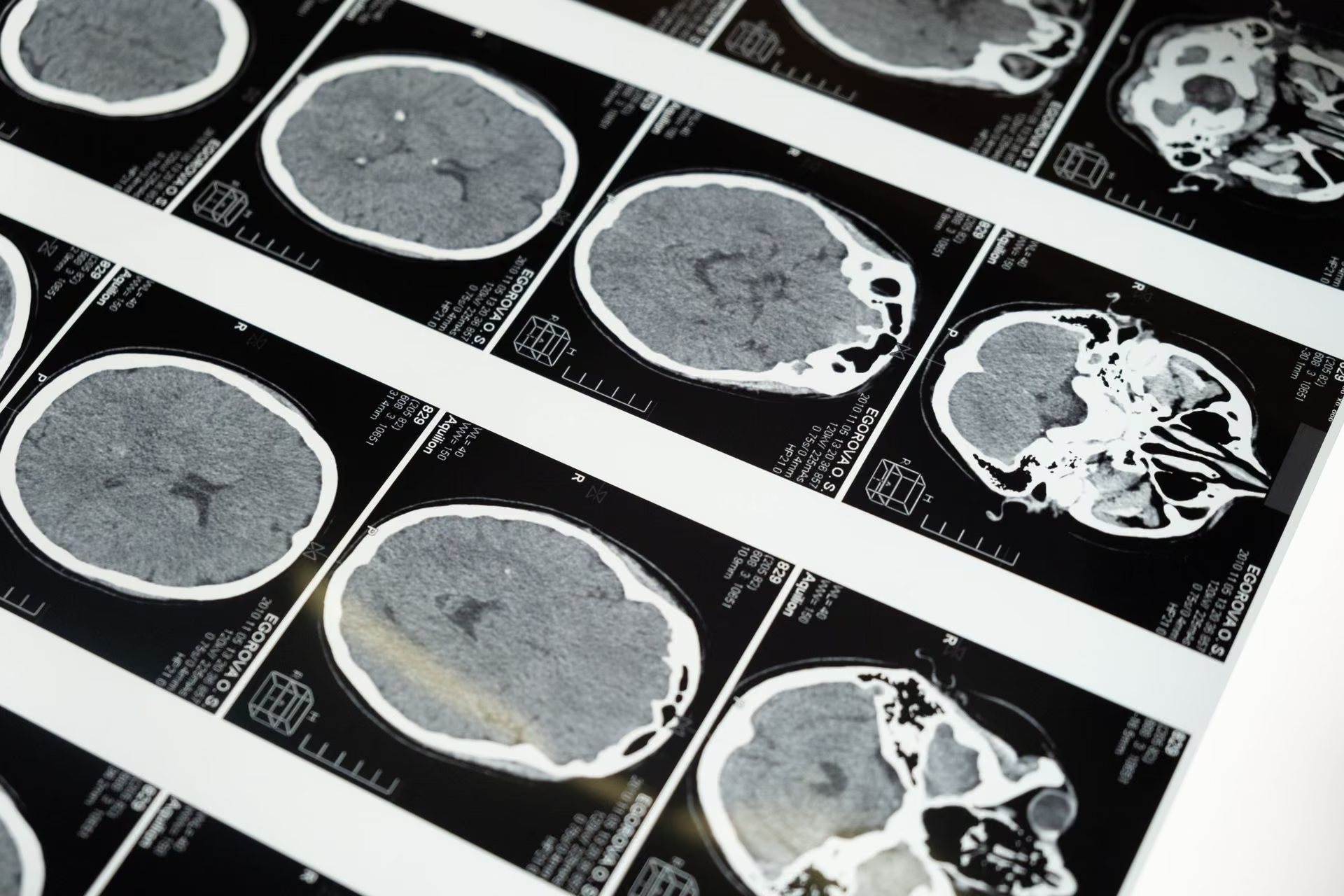
Scientists at the University of Virginia in the United States have developed a new treatment method aimed at stopping the spread of brain cancer. The researchers say they have overcome one of the biggest obstacles in this field. The method combines ultrasonic sound waves with nanotechnology and targets the genes that trigger the growth of brain tumors.
The research is being described as a breakthrough in cancer treatment. Instead of delivering a drug, the team went after the genes that trigger cancer formation. MicroRNAs applied to brain tissue were found to slow tumor progression markedly.
Blood-brain barrier overcome
One of the greatest challenges in treatment is the blood-brain barrier, which makes it hard for drugs to reach brain tissue. The researchers announced that they managed to cross this barrier using ultrasonic waves. They also used nanocarriers to deliver the therapeutic material to its target.
Background
Glioblastoma is a brain tumor that spreads rapidly into healthy brain tissue and is among the hardest cancers to treat. Brain cancer causes tens of thousands of deaths every year.
The new method produced successful results in animal studies. The researchers are now preparing for clinical trials. According to experts, the approach could offer new hope in brain cancer treatment.
Science guides
- How to give first aid for heatstrokeHeatstroke is an emergency. Call your local emergency number first, move the person somewhere cool and shaded, loosen clothing, and cool the body quickly with water, wet cloths or ice.
- How do the northern lights (aurora) form, and where can you see them?The northern lights are a glow produced when charged particles from the Sun travel along Earth's magnetic field to the poles and collide with gases in the upper atmosphere. They are best seen at high latitudes on dark, clear nights.
- What is e-Nabız and how do you view lab results?e-Nabız is the Ministry of Health's personal health record system in Türkiye. Log in with e-Devlet or another supported method and open “Tetkik Sonuçlarım” (test results) to see your lab results.
Comments
Sign in to comment.