

Troy exhibition at the Colosseum closes after drawing over 2 million visitors by end of August
The Troy exhibition that opened at Rome's Colosseum on 11 June closed on 18 October. The Troy Museum director said it had drawn more than 2 million visitors by the end of August.
· 2 min read
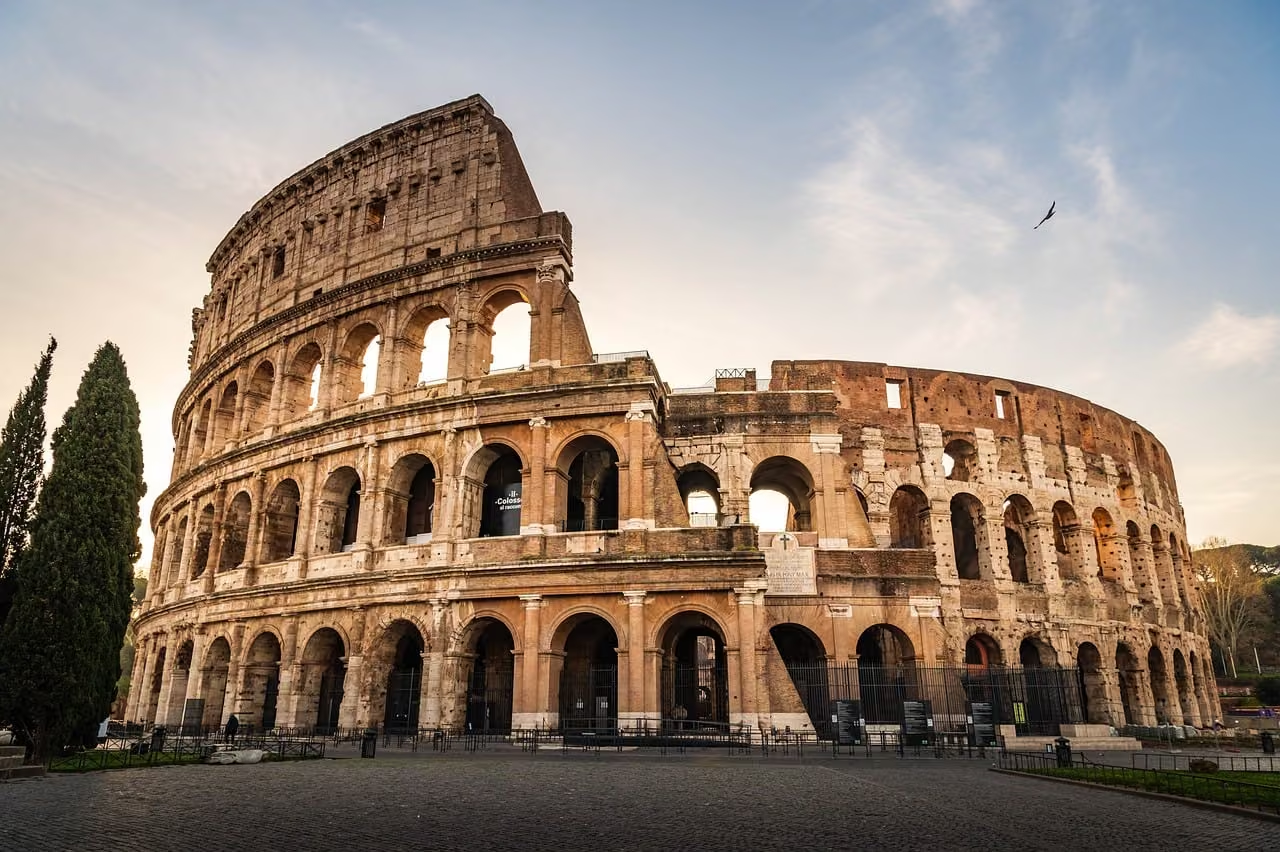
The exhibition "Troy and Rome: Myths, Legends and Stories of the Ancient Mediterranean", featuring artifacts from the Troy archaeological site in Çanakkale, ended at the Colosseum in Rome on 18 October. It had opened to visitors on 11 June. Troy Museum Director Sinem Düzgören said the exhibition drew more than 2 million visitors by the end of August.
Content and purpose of the exhibition
Prepared within cultural cooperation projects between the Turkish Ministry of Culture and Tourism and the Italian Ministry of Culture, the exhibition covered the Trojan War, the political climate of Anatolia at the time and the stories in Homer's Iliad. The journey to Italy of Aeneas, who fled Troy after the war to found a new homeland, and the Anatolian origins of Rome's founders were also among the topics. The Colosseum Archaeological Park and the Ministry's General Directorate of Cultural Heritage and Museums served as curators.
The exhibition was organized as part of the Ministry's policy of promoting Türkiye's cultural assets internationally through temporary exhibitions. Treating historical and archaeological heritage as a tool for dialogue, sustainable development and socioeconomic growth, it stood out as a cultural diplomacy initiative aimed at strengthening relations between Türkiye and Italy.
Pre-closing tour and statements
Before the closing, Troy Museum Director Sinem Düzgören, Troy Excavation Deputy Head Prof. Dr. Reyhan Körpe, Çanakkale Guides Chamber President Ercan Yavuz, TURSAB Çanakkale-Körfez Regional Representative Board President Fatih Ergün and journalists toured the exhibition. Dr. Paola Quaranta, the archaeologist and unit manager responsible for the Colosseum, accompanied the group.
Romans trace their ancestors to Aeneas, who fled Anatolia after the Trojan Wars and came to Italy.
Prof. Dr. Reyhan Körpe
Düzgören described the exhibition as a nice surprise for Colosseum visitors, saying that although they come to see Roman history, they will learn here the real reason Rome was founded. She said Troy Museum's visitor numbers in 2026 were quite good, largely owing to Troy's popularity.
Quaranta said that, according to the mythological story told in the exhibition, the Trojan prince Aeneas came after the Trojan War to the region now called Lazio and founded a new city, and that twins descended from him founded Rome. She said they aimed to present this story through the archaeological artifacts to everyone visiting the Colosseum.



Comments
Sign in to comment.