

Türkiye prepares action plan on renewables, hydrogen and small modular reactors
Under the European Green Deal plan, wind and solar capacity will be expanded, a green hydrogen ecosystem built and legal groundwork prepared for small modular reactors.
· 2 min read
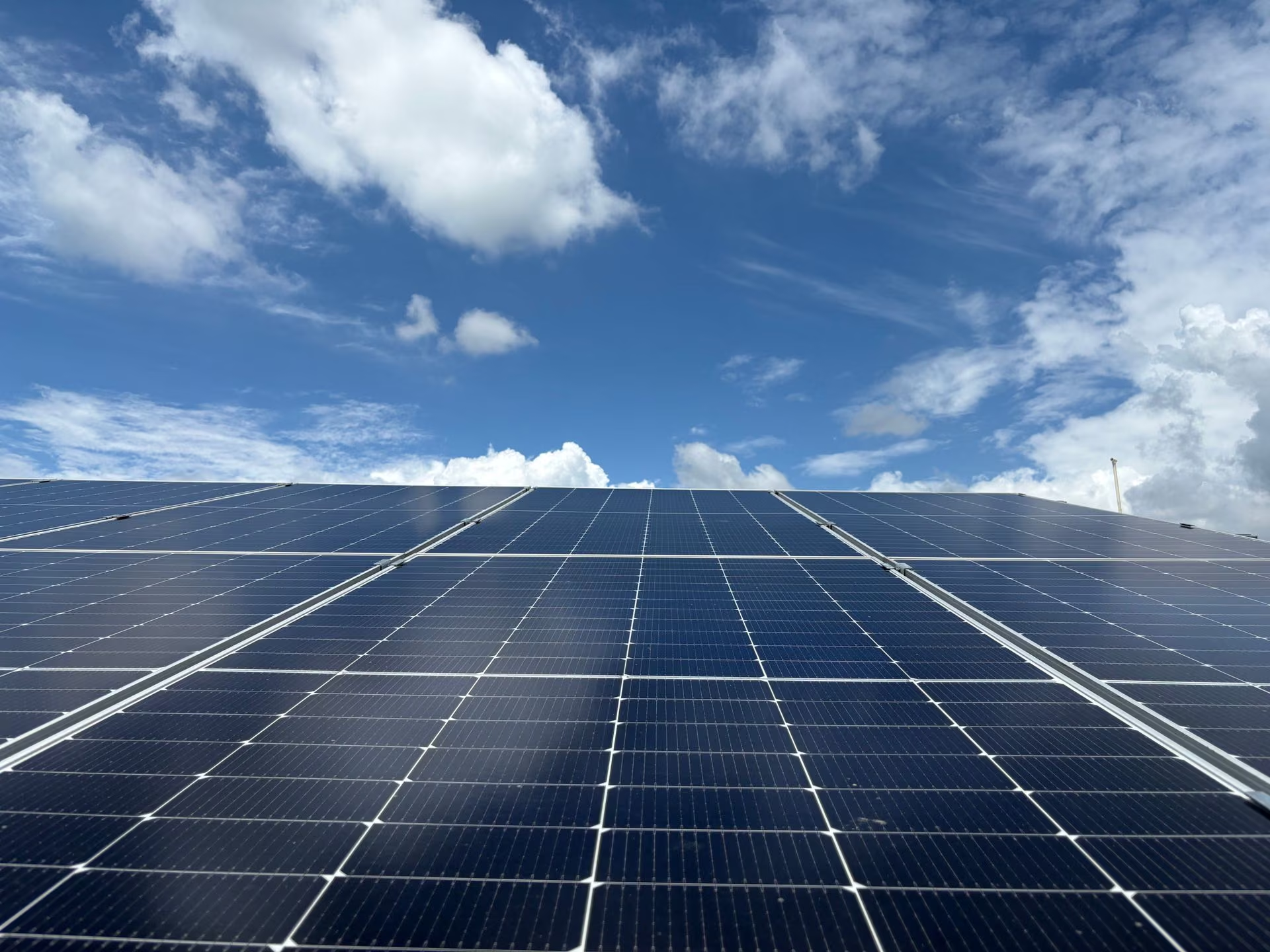
Türkiye's renewable energy policies will be reviewed under an action plan prepared within the framework of the European Green Deal. The plan includes increasing installed wind and solar capacity, and introducing R&D and investment incentives to develop high value-added renewable energy technologies at the national level.
Floating solar plants and hybrid facilities
Idle farmland and water surfaces will be assessed for renewable energy production. Covering water surfaces with panels is expected to reduce evaporation losses, and the cooling effect of water is expected to make floating solar plants more efficient than land-based installations. The aim is to reduce pressure on farmland and pasture and support the shift to clean energy. Hydroelectric plants are also planned to be converted into hybrid renewable energy facilities.
Heat pumps and energy efficiency
The technical and market potential of heat pumps will be examined to support sustainable heating and cooling. A geographic information system-based map of ground-source heat pump potential will be produced, and renewable sources with high heating and cooling potential will be added to it. Awareness efforts will be carried out for organized industrial zones to comply with energy efficiency legislation, with awareness training given to about 50 zones every year.
Hydrogen, nuclear and biomethane
To strengthen access to alternative green energy sources, a Hydrogen Action Plan will be published and work will be carried out to build a green hydrogen ecosystem. New-generation technologies will be developed to lower hydrogen production and storage costs, a hydrogen market will be created, and work will be done on legislation, regulation and safety.
Work on small modular reactors will be carried out, with groundwork prepared for the necessary legal regulations. International agreements will be made to gain access to nuclear technologies such as these. Legislative groundwork will be set up to integrate renewable gases such as biogas and biomethane into natural gas market activities, and R&D on biomethane will continue. Work will also be done on using biofuels from agricultural products, energy production from agricultural waste and fermented products from biomethanization plants.
Industry and startups
Efficiency potential will be identified in energy-intensive sectors such as iron and steel, cement, glass, textiles, sugar, paper and ceramics in line with net-zero emission targets. Savings potential will be determined from these sectors' mandatory energy audit reports. Awareness activities will be held to improve startups' energy efficiency, and their project implementation capacity and institutional infrastructure will be developed.
Bora Haber previously reported: ASELSAN to generate its own electricity with two new solar power plants and Global wind power roadmap for the next 10 years: GWEC and TÜREB issue declaration.
Technology guides
- What is two-step verification and how do you turn it on?Two-step verification adds a second proof (a code, prompt or key) on top of your password when you sign in. You enable it in your account's security settings, and it protects you even if your password is stolen.
- How to get and renew your e-Devlet passwordYou get an e-Devlet password in person at a PTT branch with an ID document. If you forgot it, reset it with “Forgot my password” on e-Devlet Kapısı (Turkey's e-Government Gateway) or get a new one from PTT.
- How to view grades and absences on e-OkulSign in to the e-Okul Parent Information System with e-Devlet or a parent password, select the student, and open the grades or absences menu. Students can also check their own records.
Comments
Sign in to comment.