

Vulcan rocket suffers in-flight failure, Amazon's 40 satellites miss orbit
United Launch Alliance's Vulcan rocket experienced an anomaly about 10 minutes after liftoff from Florida. The 40 satellites carried for Amazon's Leo network were not placed in orbit.
· 2 min read
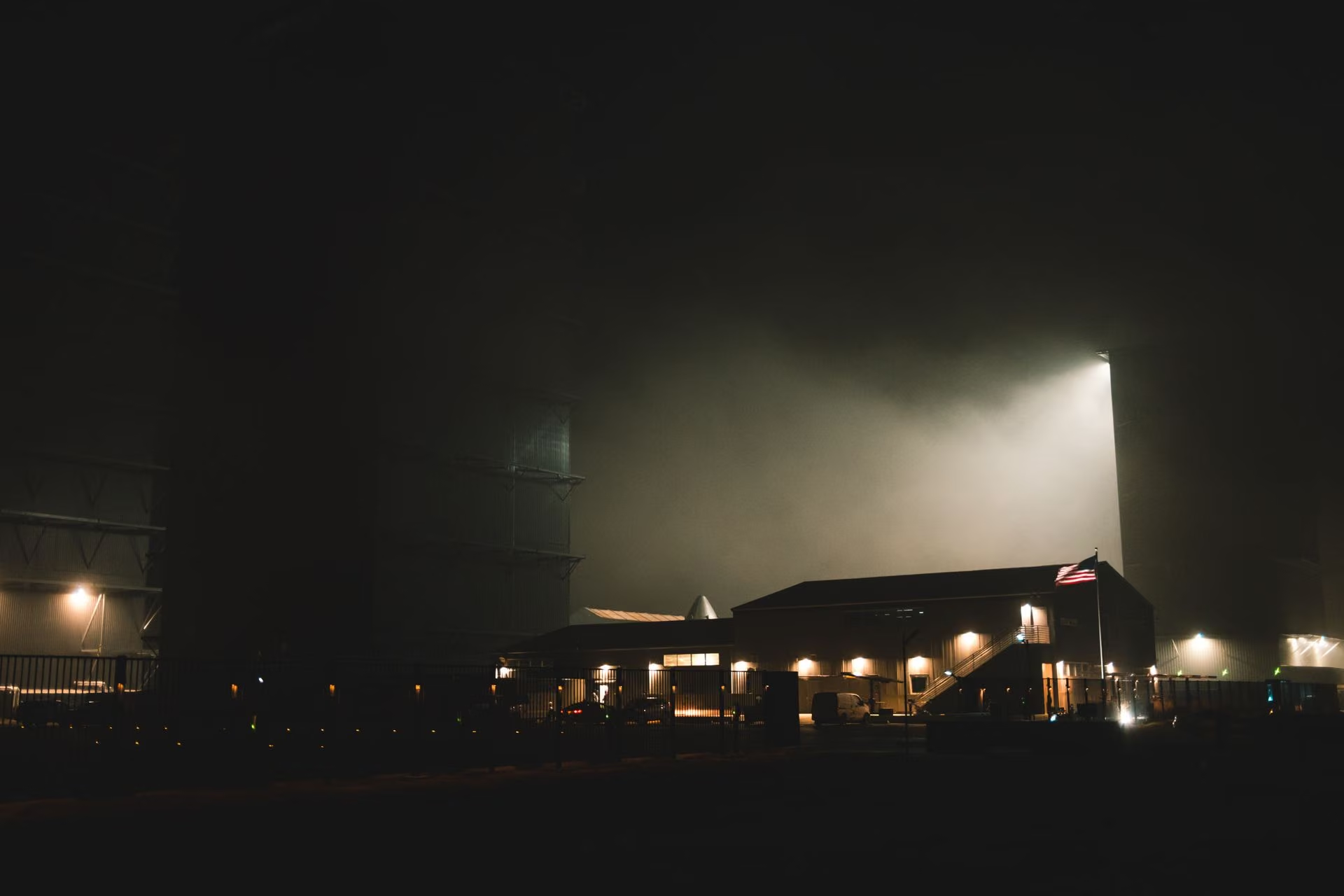
The Vulcan rocket, built by United Launch Alliance (ULA), a joint venture of Boeing and Lockheed Martin, failed shortly after launching from Cape Canaveral Space Force Station in Florida. The rocket did not deliver the 40 satellites it carried for Amazon's Leo satellite internet network to orbit.
The problem arose about 10 minutes after liftoff, and its cause has not yet been determined. According to ULA's statement, data from the Launch Director confirm that the rocket experienced an anomaly in the 10th minute of flight and did not deliver Amazon's satellites to orbit.
Every flight generates data and teaches us something. Because the event has only just happened, we do not yet have concrete data that would let us understand what happened today.
United Launch Alliance
The technical investigation following the failure is said to be able to take months, and Vulcan flights may be suspended during that time. This could deepen the shortage in the United States' capacity to send satellites to space. Other rocket failures in the sector and uncertainty over the future retirement of SpaceX's Falcon 9 also affect the picture.
Flight after a long pause
The mission was Vulcan's fifth flight since its first launch in 2024. The rocket launched for the first time in 9 months, after a long pause caused by separate technical reviews of its solid rocket boosters and its main BE-4 engines. The BE-4 engines are made by Blue Origin, owned by Amazon founder Jeff Bezos.
The boosters had been under scrutiny because of problems on Vulcan's last two flights. One of those missions was flown for the U.S. Space Force in February, and on both flights the rocket delivered its payloads to orbit. The Pentagon, however, wanted to see Vulcan's performance on the Amazon mission before again allowing it to carry national security payloads.
Bora Haber previously reported: NASA Launches Roughly $10 Billion Program for a Permanent Moon Base and NASA Picks Eight Companies for Its Moon Base Program.
Background
ULA was founded in 2006 by merging Boeing's Delta rocket program with Lockheed Martin's Atlas rocket program, and had kept a 100 percent mission success rate until now. Blue Origin's New Glenn rocket, which uses BE-4 engines, exploded on the launch pad in May, just days before a launch that was to carry Amazon Leo satellites.
Amazon depends largely on third-party launch providers to put its satellites into orbit. Many of those providers have had to pause flights over technical problems or have suffered failed launches. The setbacks keep delaying Amazon's goal of competing with SpaceX's Starlink satellite internet network, which has more than 11 thousand satellites and millions of customers.
Technology guides
- How much is the IMEI registration fee? Registering a phone brought from abroadThe IMEI registration fee in 2026 is 54 bin 258 TL (54,258 TL). For 2027, about 69 bin 358 TL (69,358 TL) is expected with the 27.83 percent revaluation rate; the final amount depends on the tariff published in the Official Gazette.
- What is two-step verification and how do you turn it on?Two-step verification adds a second proof (a code, prompt or key) on top of your password when you sign in. You enable it in your account's security settings, and it protects you even if your password is stolen.
- How to get and renew your e-Devlet passwordYou get an e-Devlet password in person at a PTT branch with an ID document. If you forgot it, reset it with “Forgot my password” on e-Devlet Kapısı (Turkey's e-Government Gateway) or get a new one from PTT.
Comments
Sign in to comment.