

Curiosity examines potato-chip-like crystal formations on Mars
NASA's Curiosity rover found thin, curled crystal structures in the Nazca drilling area on Mars. Scientists are trying to determine their chemical makeup using a laser.
· 2 min read
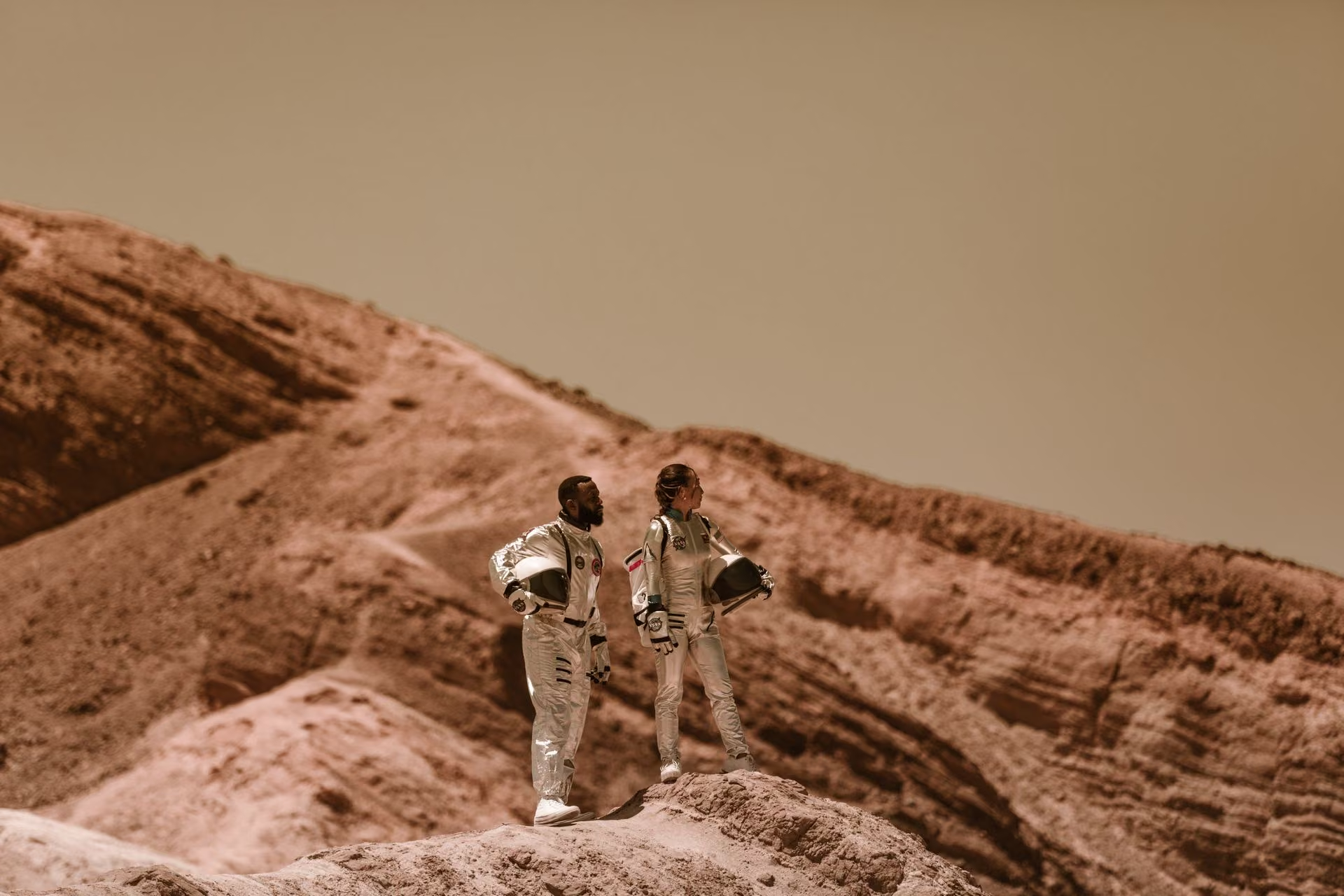
NASA's Curiosity rover, operating on Mars, has detected unusual crystal structures in rocks at a drilling area called Nazca. A research report NASA published on 11 November 2026 said the formations were being examined.
Structures resembling chips
On 7 November, the rover's high-resolution camera on its robotic arm imaged thin, curled and irregular crystals among the rocks. The disc-shaped structures resemble potato chips, so the find drew wide attention in the international press.
Laser analysis
Researchers collected rock samples from the area to determine the formations' chemical properties. The samples are being examined in Curiosity's onboard mobile laboratory. A laser is expected to help identify which elements the crystals contain. Scientists also plan to take night images under white and ultraviolet light to see surface features in more detail.
Bora Haber previously reported: NASA's CHAPEA 2 Mars simulation crew emerges after 378 days and Perseverance finds the smallest dust particles ever recorded on Mars.
Background
Mars is known to have had environmental conditions billions of years ago that differ from today's. Mineral and rock formations on the planet carry important clues about past water and environmental change. The newly examined crystals may help scientists understand the geological changes Mars has undergone.
Curiosity landed on Mars in August 2012 and has carried out scientific work on the surface for about 14 years. Among its tasks is investigating whether Mars once had conditions suitable for life.
NASA has not yet announced a definitive scientific conclusion on how the crystals formed. There is also no evidence that the structures show signs of life.
Science guides
- How do the northern lights (aurora) form, and where can you see them?The northern lights are a glow produced when charged particles from the Sun travel along Earth's magnetic field to the poles and collide with gases in the upper atmosphere. They are best seen at high latitudes on dark, clear nights.
- What is e-Nabız and how do you view lab results?e-Nabız is the Ministry of Health's personal health record system in Türkiye. Log in with e-Devlet or another supported method and open “Tetkik Sonuçlarım” (test results) to see your lab results.
- How to change your family doctor in TürkiyeA family doctor change is made by applying to the Provincial/District Health Directorate, or through electronic channels where available, under the Ministry of Health's system. Conditions and waiting periods may change, so check the current rules with an official source.
Comments
Sign in to comment.